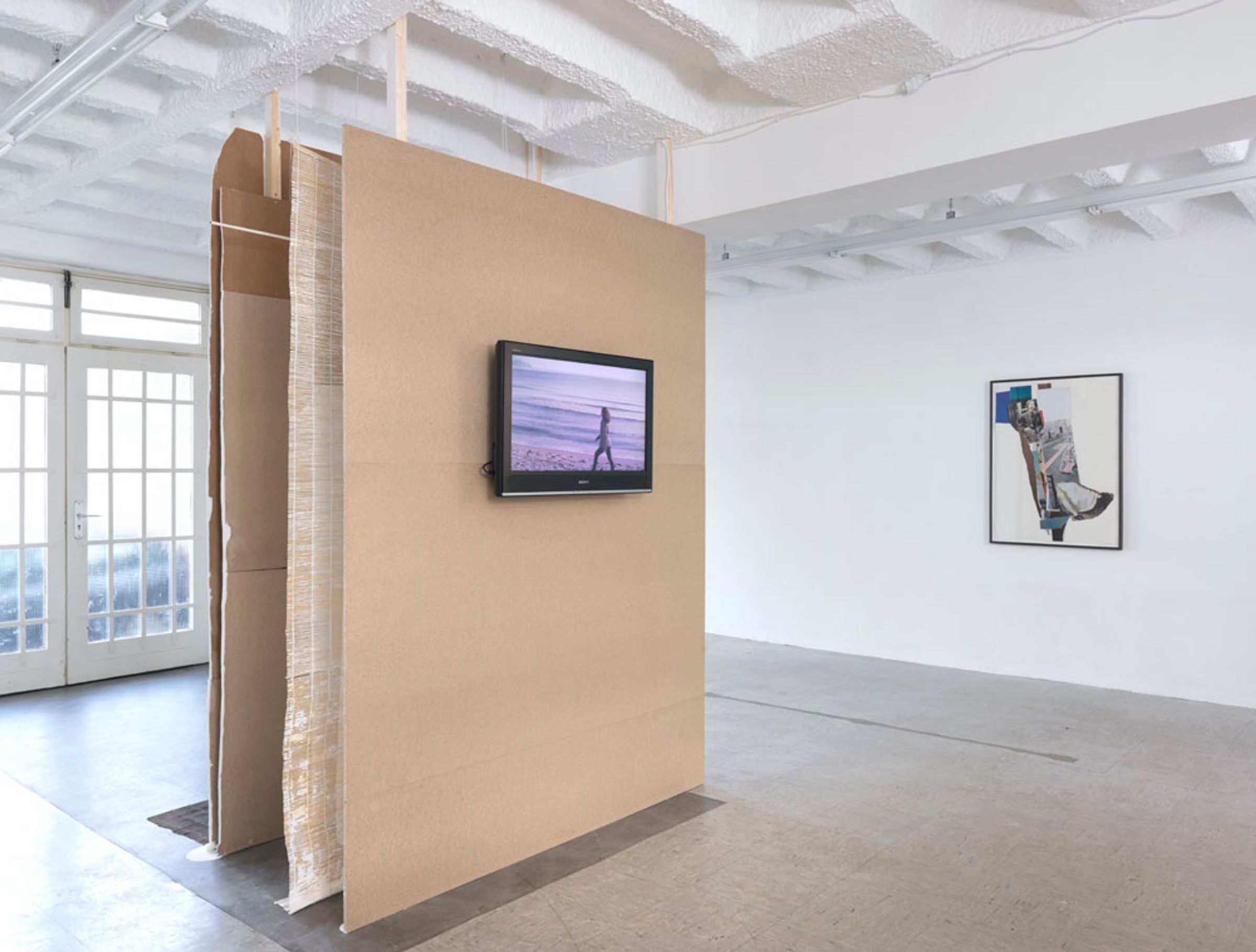
A walk of 100 km in 10 days along the Bay of Naples, 2011.
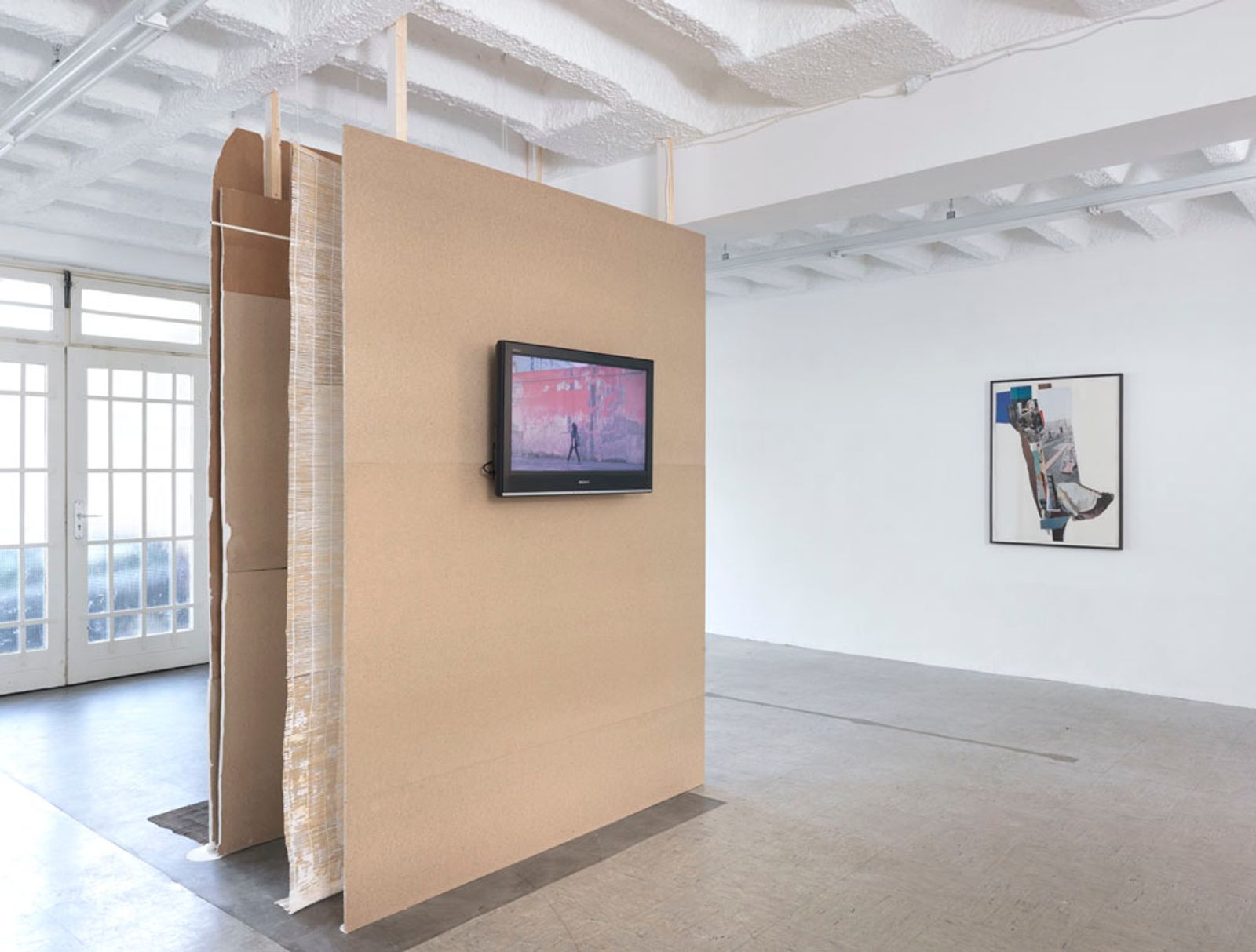
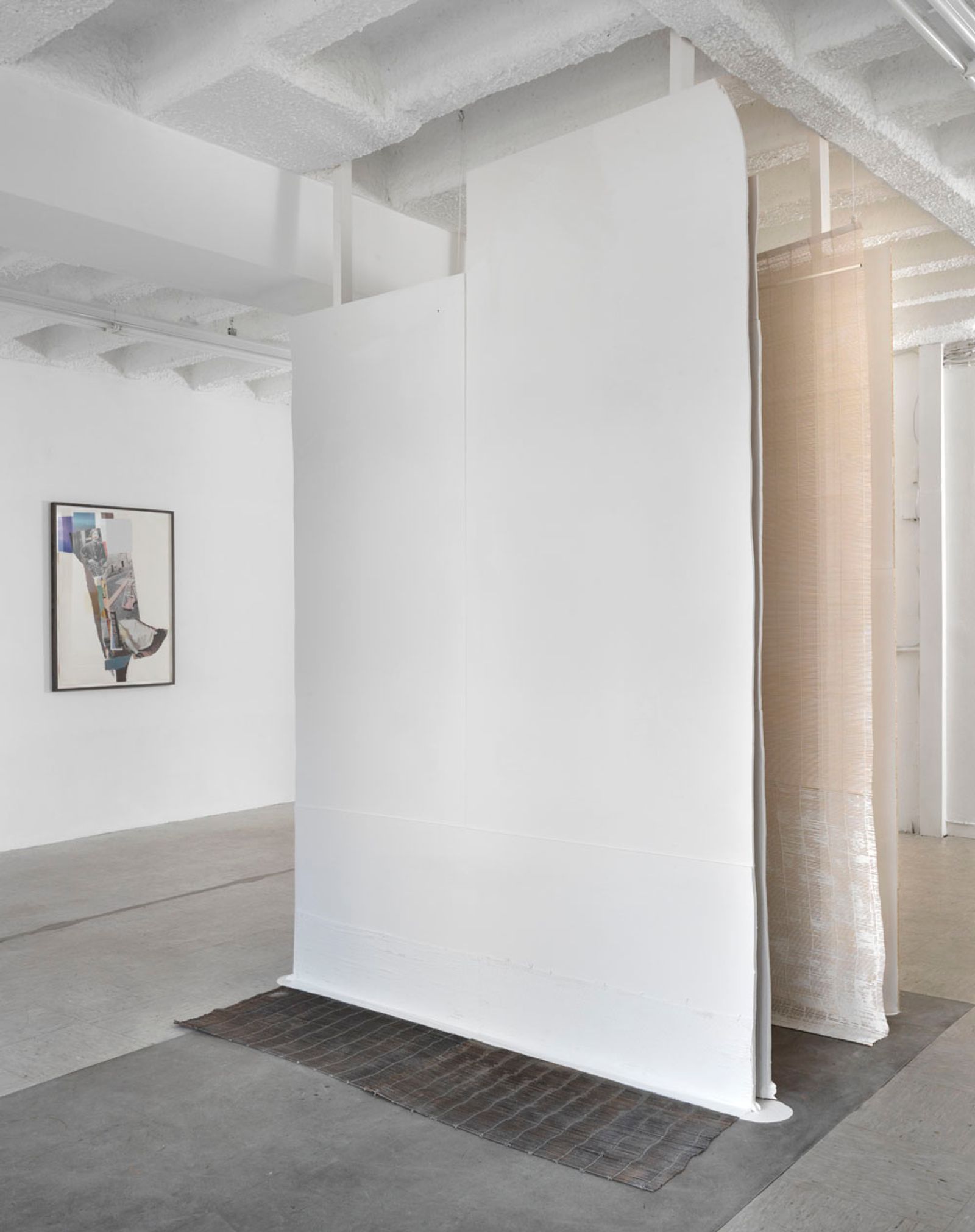
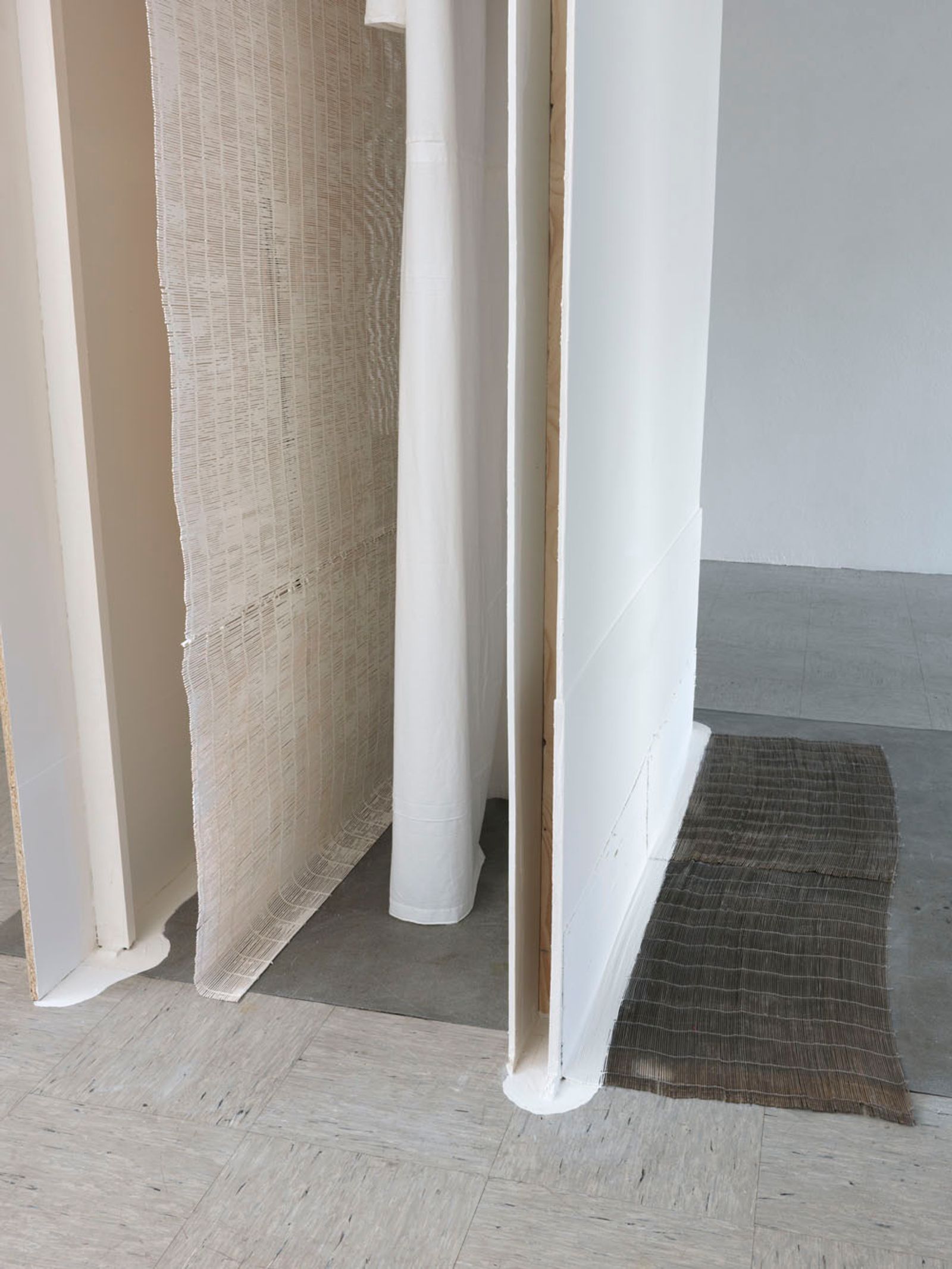
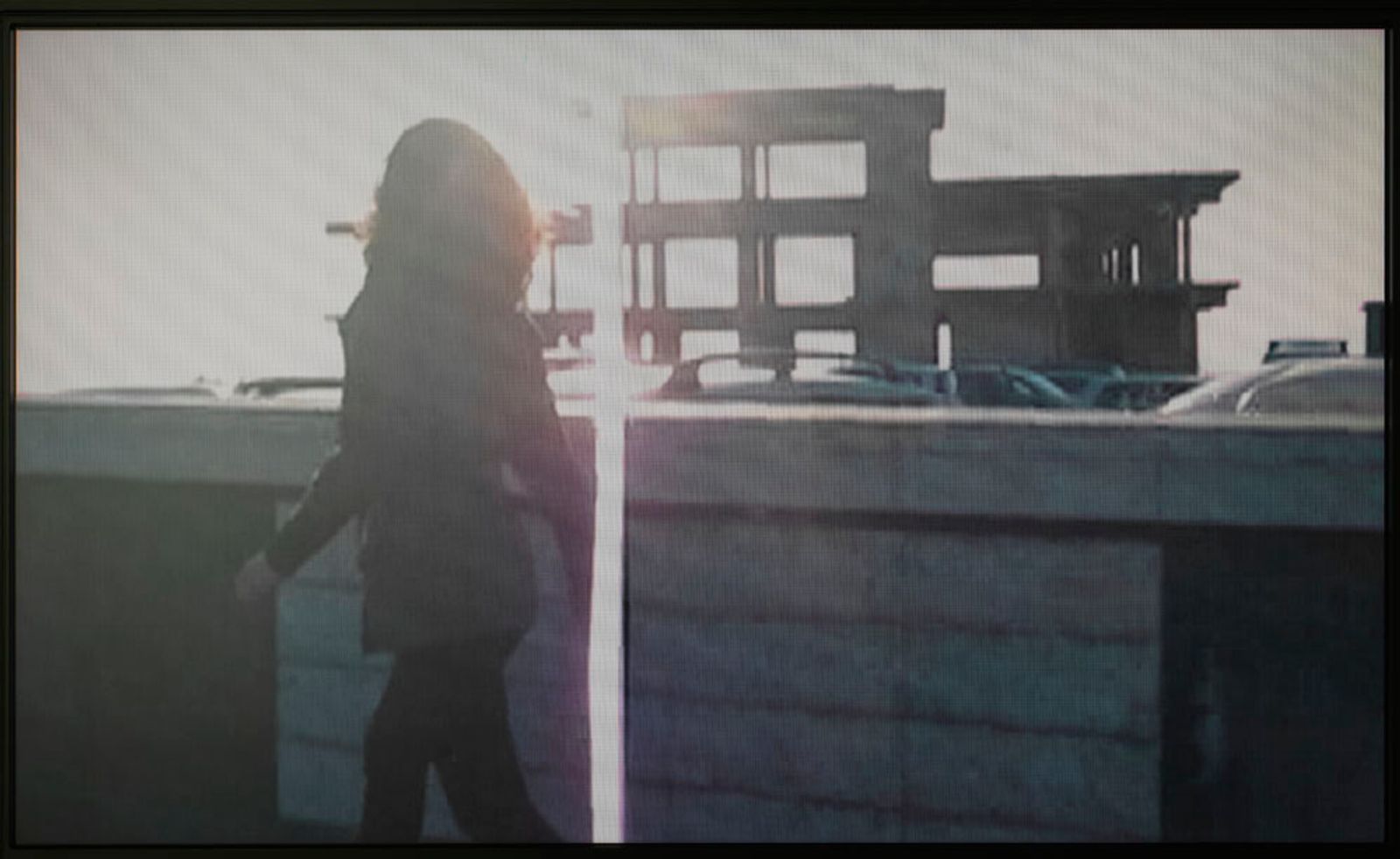
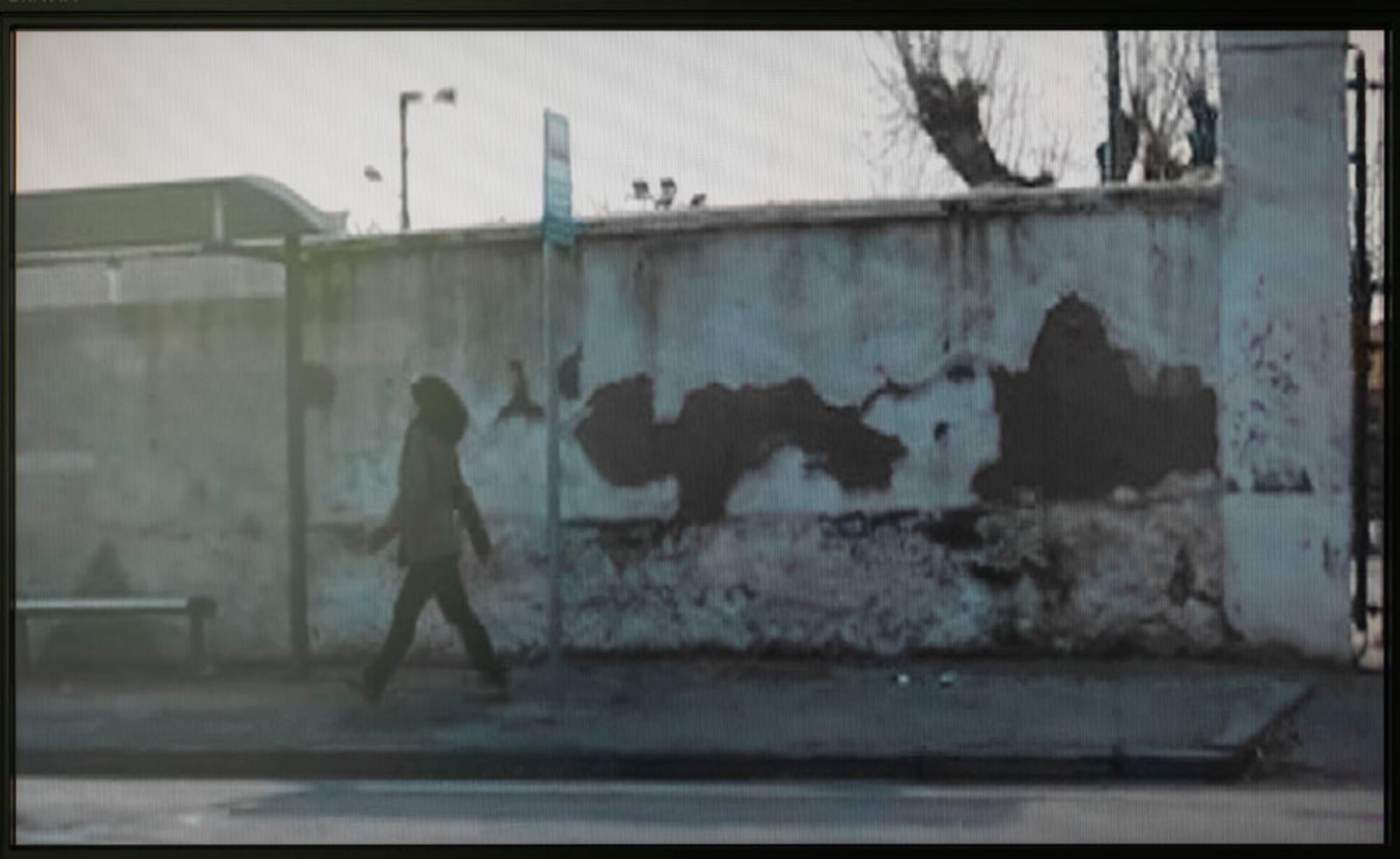
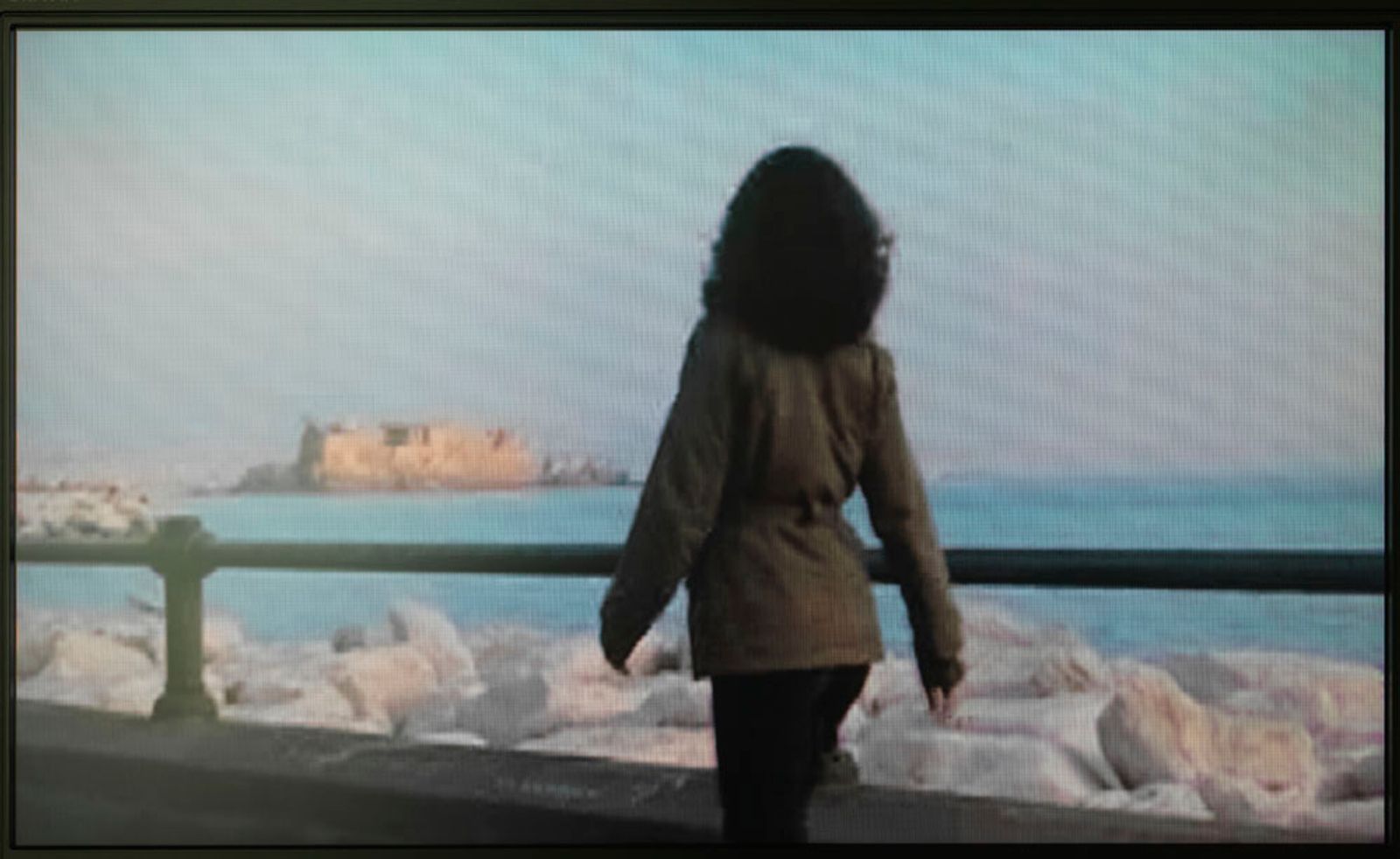
A walk of 100 km in 10 days along the Bay of Naples, 2011.
I covered this distance on foot to observe the entire landscape, with its historical stratifications and social contrasts.
I come from southern Italy, and after having lived elsewhere for most of my life, the South has occupied my thoughts more and more over the past few years.
The widespread idea of the South corresponds to a stereotype made up of tourism, sea and sun, as much as of archaism. As such, the South is very much a construction, just like the Orient and Orientalism in the words of Edward Said.
The Italian questione meridionale is a topic that has been discussed for decades. And if the discussion has changed as much as the South and its character have changed during this period, it may nowadays find its place within a more general understanding of the South of the world.
Southern Italy is no longer the place described by Carlo Levi in the 1930s. Epochs and stratifications lie over the Campania Felix through which Goethe travelled. Naples is no longer the city portrayed by Anna Maria Ortese in her post-war writings, nor the city described by Jessie White Mario in her reportage at the end of the 19th century. The Italian South already looks very different from the place I grew up in.
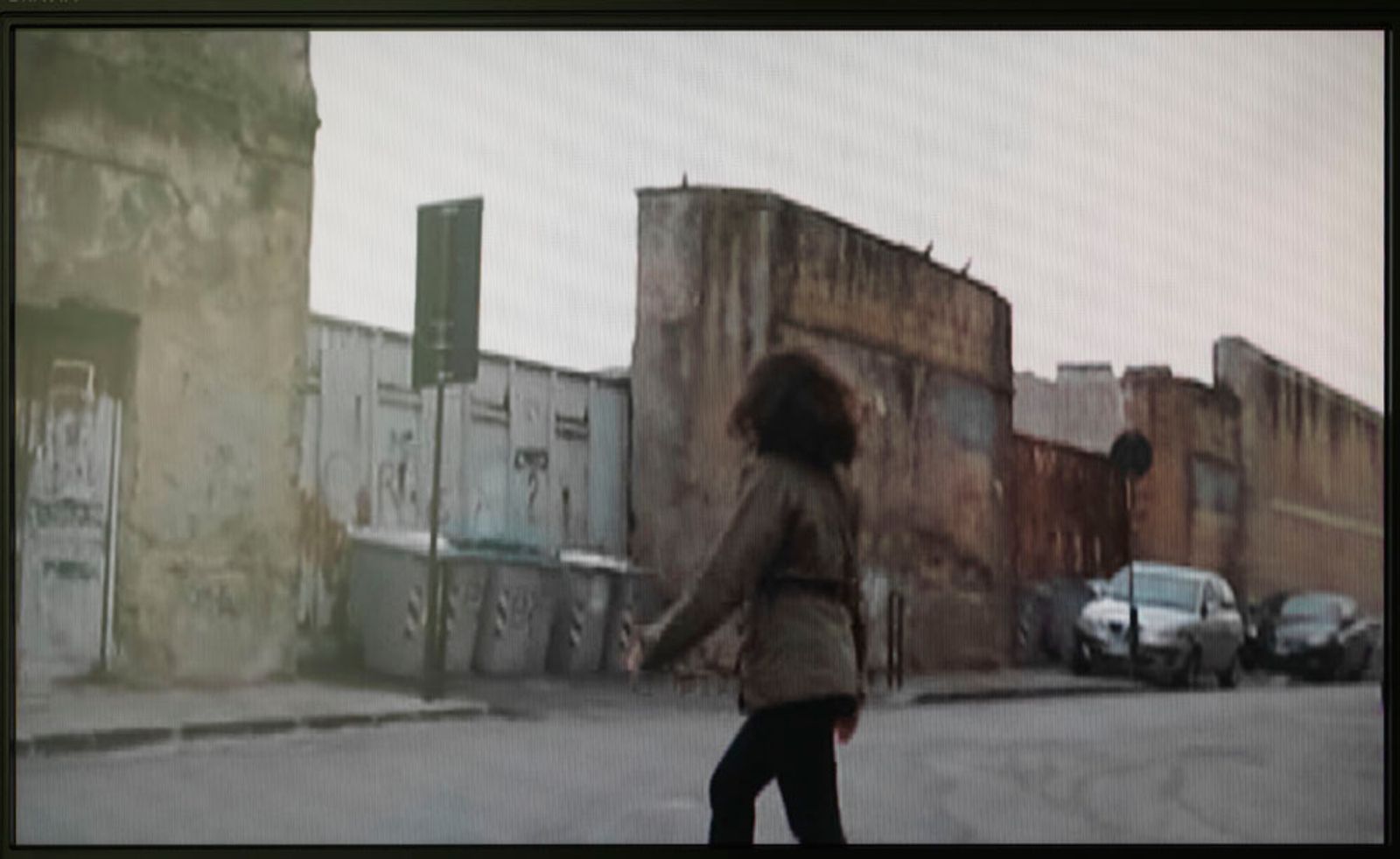
Lungomare is the title of the six-hour-long video documenting the walk. The camera follows me along the seafront promenade and past all the fences, walls and buildings that block the view of the sea. The perspective is always the same: looking towards the gulf and following the route closest to the sea, even though, for half of the way, the sea is never accessible.
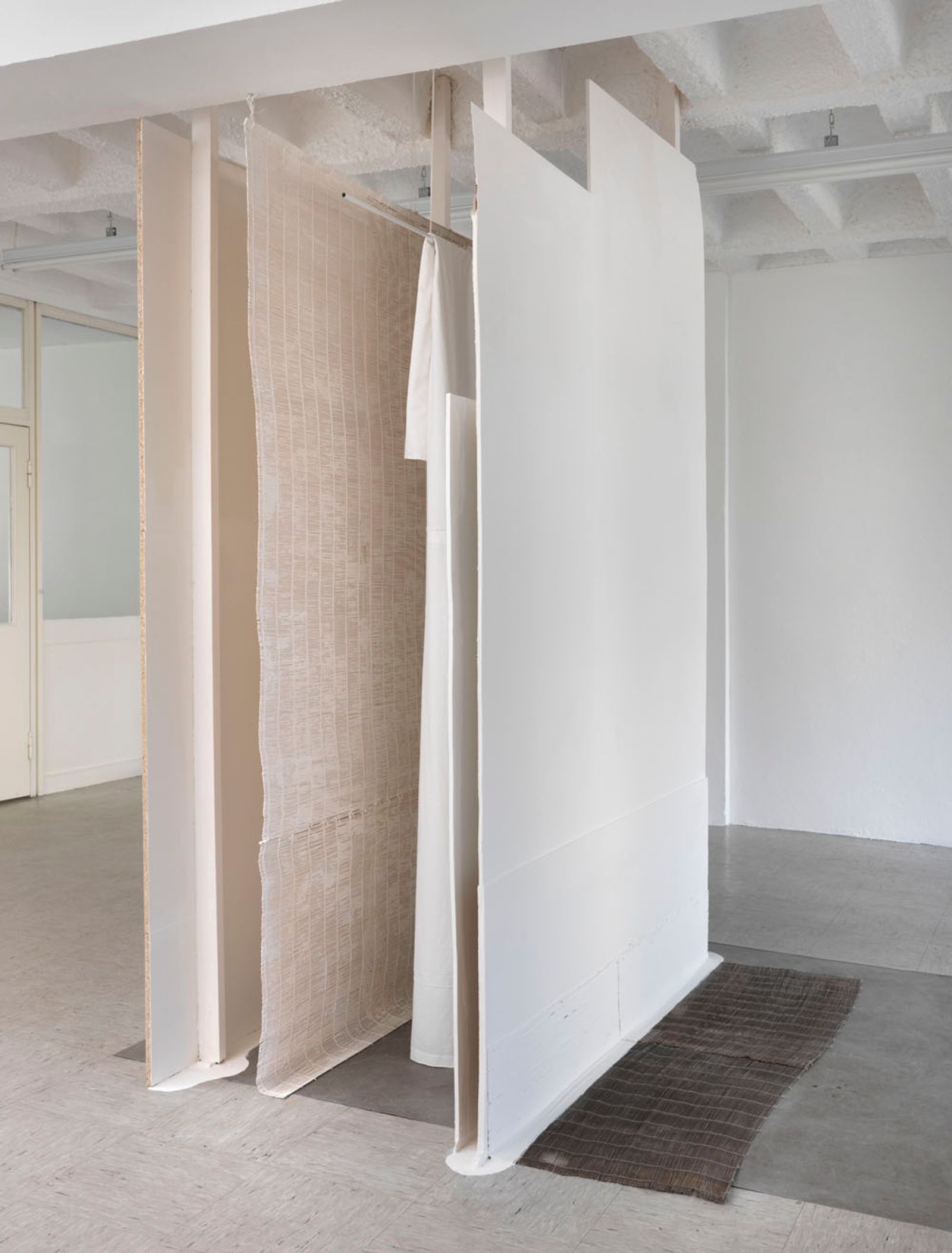
The video runs on a screen mounted on a structure built in the exhibition space from recycled materials. One side of the structure is painted with limewash, a traditional practice in Mediterranean areas used to cover and revitalise surfaces.
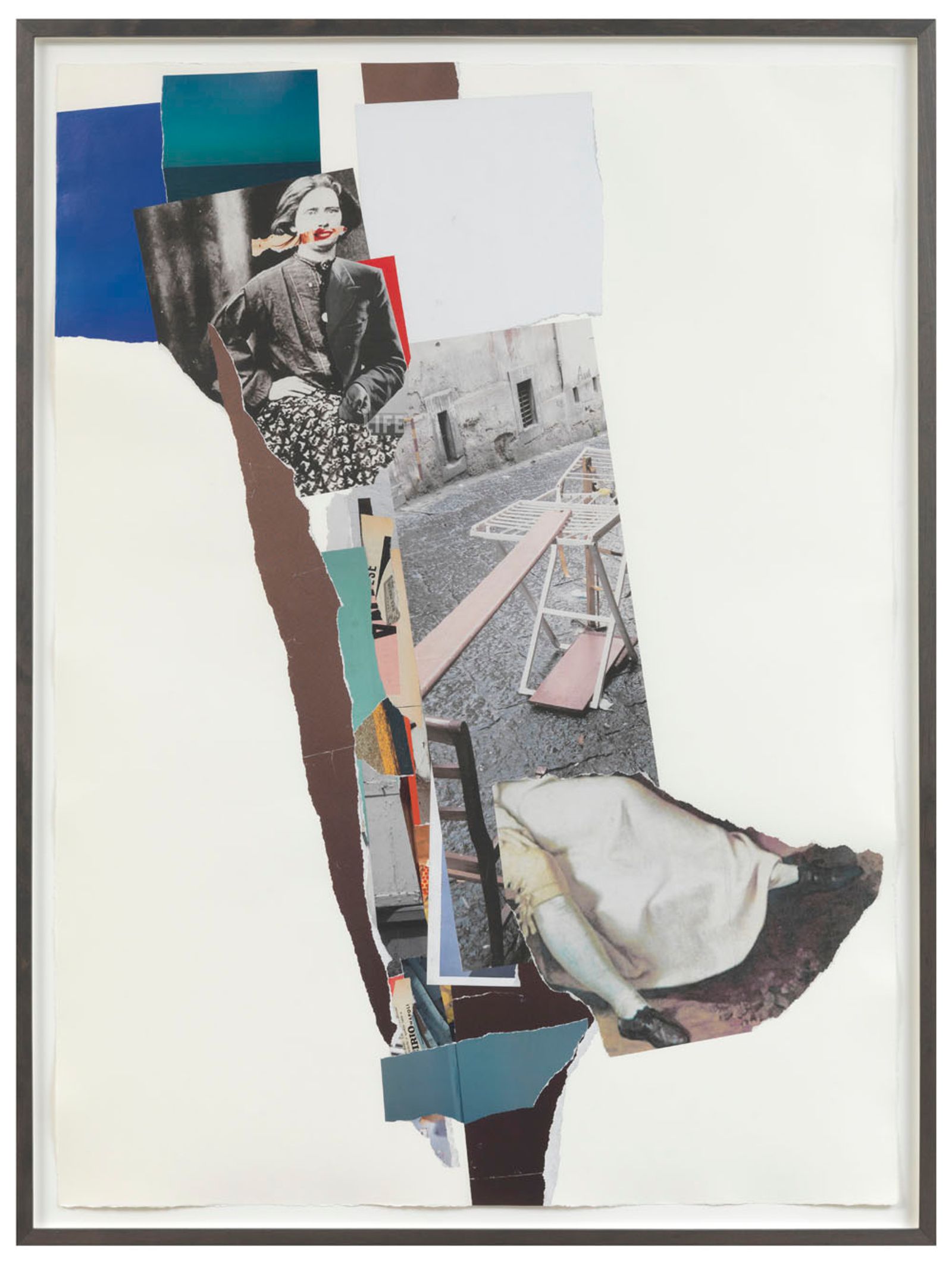
A collage, centred on a photograph of a spot in the vicoli (narrow streets) of Naples's historic centre, brings together several figures who travelled through and wrote about southern Italy.
The walk is also a performance and refers to land art, particularly to the walks of Richard Long. But it considers the land and the landscape not only in terms of their natural beauty, but also in terms of what they have been transformed into: a used landscape, an area of economic activity, an exploited area. It is a walk that depicts a social landscape.